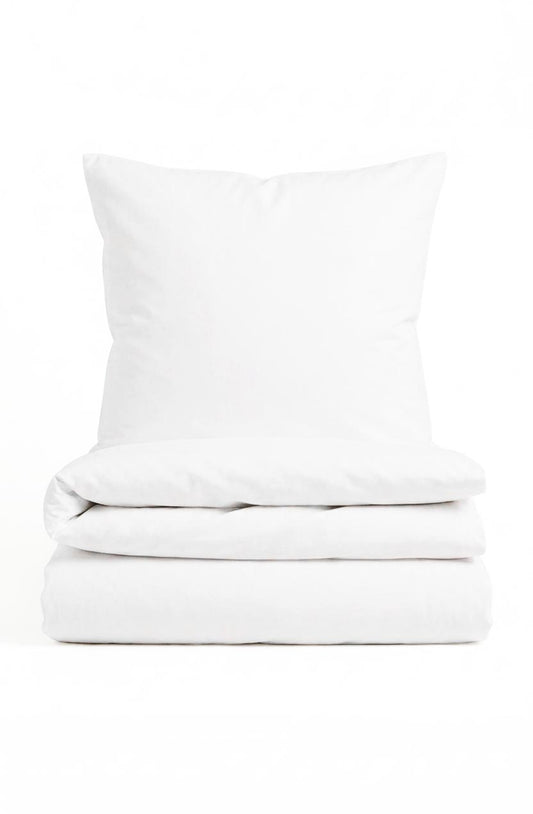
You wake up at night, the sheet is sticking to you, your pajamas are damp, and restful sleep is out of the question? You are not alone. Night sweats are among the most common sleep problems of all – and in many cases, the cause is not your body, but simply the wrong sleep environment. In this guide, you will learn why we sweat during sleep, when you should pay closer attention, and what simple remedies can help you get through the night dry and comfortably cool again.
Why we sweat at night
Sweating is completely normal: The body regulates its temperature through the skin, and this is exactly what happens during sleep. In the first half of the night, the body lowers its core temperature to fall into a deep sleep – in the process, it releases heat and moisture. This means that a person loses over half a liter of fluid per night. It only becomes problematic when this moisture is not transported away, but instead builds up between the skin, pajamas, and bedding. This creates a damp, warm environment that significantly disrupts sleep.
The most common triggers are a bedroom that is too warm (the ideal temperature is 16–18 °C), duvets that are too thick, a heavy dinner, or alcohol – and very often bedding made of materials that cannot absorb moisture. Cheap synthetic fabrics, for example, leave the skin practically "drowning in its own sweat."
If you sweat at night: When is it harmless, and when is it not?
Occasional sweating on warm nights or after a heavy meal is harmless. However, if severe night sweats persist for weeks, occur regardless of the room temperature and duvet, or are accompanied by other symptoms, you should have them checked by a doctor – biberna cannot replace medical advice. For the vast majority of people, however, the causes are harmless and can be effectively managed with the right sleep environment.
The right bedding to prevent sweating
The biggest factor for a dry sleep environment is the material that lies directly against your skin. Two properties are crucial: breathability and moisture absorption. At biberna, we have been making bedding for almost 100 years and are constantly developing our qualities – several of which are designed specifically for people who sweat at night.
Seersucker has a pronounced, airy crinkle texture that works like a built-in air conditioner: air circulates, and heat and moisture are drawn away. As a pleasant side effect, seersucker is 100% non-iron – simply hang it up, it dries quickly, and you can put it back on the bed right away. Read more about it in our article Seersucker Bedding for Summer. You can find the right selection in our Seersucker Collection.
TENCEL is our answer for anyone looking for particularly high moisture absorption. The fiber reliably absorbs moisture, feels pleasantly cool, and thus deprives bacteria and dust mites of their means of survival. biberna was the first manufacturer to develop Tencel bedding using the branded fiber from Lenzing. Browse our TENCEL Collection.
If you prefer a smooth and cool feel, choose Mako Sateen: combed cotton in a fine sateen weave that hugs the body and stays pleasantly cool instead of becoming clammy. And for hot nights without air conditioning, we have developed Cooling Bedding – a reversible duvet cover with a breathable structure on one side and noticeably cool cooling fabric on the other. We explain how it works in Cool Sleeping Without Air Conditioning.
Practical tips for dry nights
In addition to the right bedding, a few simple habits can help: ventilate the bedroom thoroughly before going to bed, choose a duvet appropriate for the season, avoid alcohol and heavy meals in the evening, and opt for breathable sleepwear made from natural fibers. Also change your bedding regularly – our 7 Expert Tips for Washing and Caring for Bedding show you how to do this best.
Frequently Asked Questions
Which bedding is best if I sweat at night?
Materials with good air circulation and high moisture absorption – such as seersucker, TENCEL, or our cooling quality. They reliably draw away heat and moisture and keep the skin dry.
What is the ideal room temperature for sleeping?
16 to 18 °C is recommended. Ventilate before going to sleep and avoid an overheated environment; this noticeably reduces night sweats.
Does cotton help prevent sweating?
Pure cotton is significantly better than synthetics because it absorbs moisture and is breathable. However, for particularly warm nights, airy textures like seersucker or moisture-active fibers like TENCEL are even more effective.